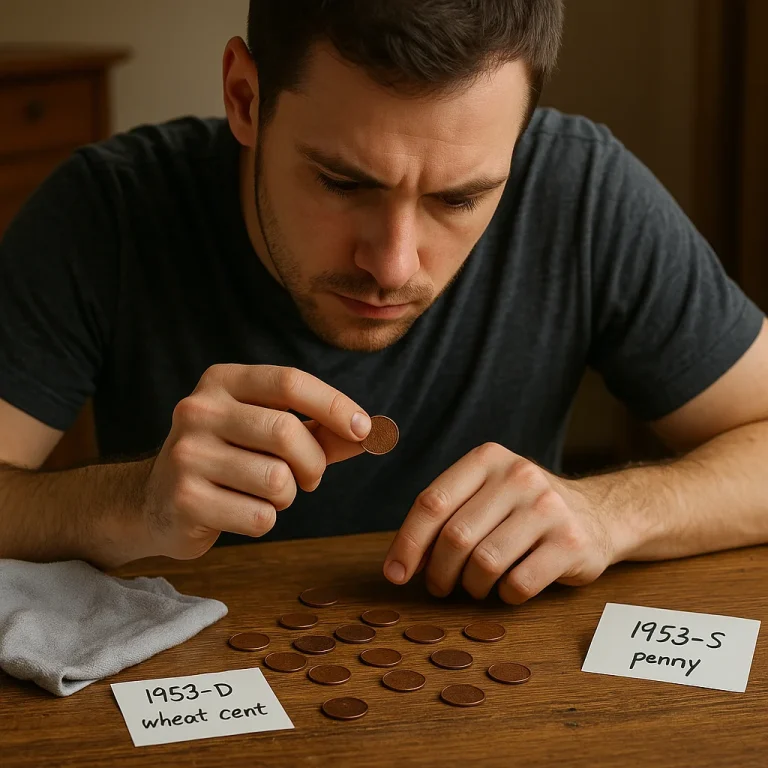
Every coin collector wishing to make their understanding bigger and better grasp their collection must often use a special free coin scanner or coin books, these being catalogs and magazines giving correct facts needed to find a coin’s name, check its quality, and learn its place in history.
Using such books and papers helps a collector not just put coins together but also do real study work, making the collecting process more thoughtful and skilled.
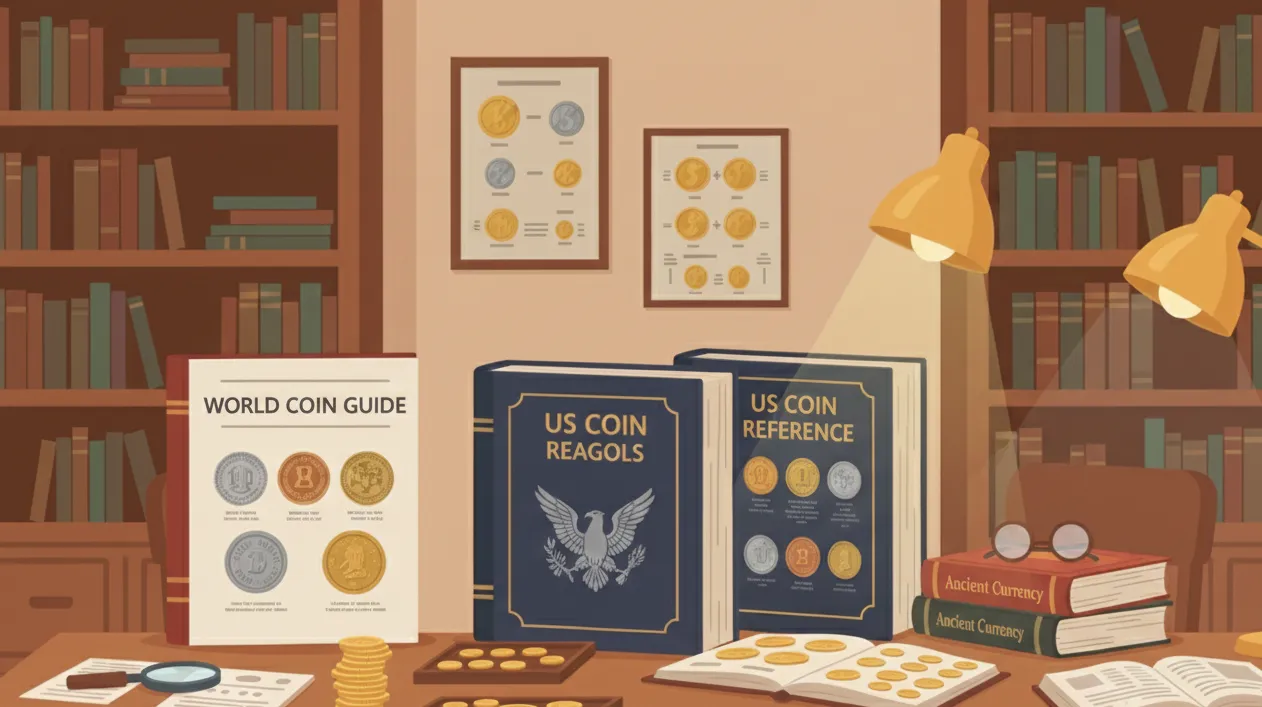
Two Main Kinds of Help: Catalogs and Magazines
Catalogs and magazines are helpful for different but equally needed things in coin collecting, helping the collector know the difference between them, and for using each source in the best way.
Catalogs are the main books, offering a complete, neat list of all coins made based on the country, time period, or type.
They hold the most needed facts, covering the year of making, the metal, the size, the weight, and an estimated cost at different levels of quality.
Catalogs help you quickly name exactly what you are holding, setting the exact kind of coin.
Magazines are papers coming out often, publishing with a set rhythm, for example, once a month or once every three months, holding new research, history pieces, news about future sales, and reviews of the newest finds.
Magazines help the collector stay current with events and make their knowledge deeper on certain topics, giving background for the history learning of every coin in the collection.
How to Best Use Coin Catalogs
Catalogs are needed for three main jobs: connecting to finding the right facts about your coin: naming it, checking its quality, and finding its price.
Naming the Coin
Finding the right coin in the catalog is the first and most basic move, needing careful comparison of the real coin with the words and pictures in the book.
- Every coin in the catalog has its own special number, allowing easy access to facts about how many were made and small differences in the type. Remembering this number, acting as the main code for the coin, makes talking with other collectors and sellers easier.
- It matters to find an exact match, not just for the year it was made, but also for the mint mark, showing the place of making, because coins that look the same can have a different cost based on where they were made, pointing to different numbers made.
- Study the part about small details, related to mistakes or special points in the making, because tiny changes in the design, such as the placement of letters or the shape of marks, can greatly raise a coin’s cost, making it more rare.
Grading
Catalogs use standard short forms for checking the quality, helping one understand how worn the coin is, wear being the main point for its cost.
Catalogs use standard short forms (like F — Fine, VF — Very Fine, XF — Extra Fine, UNC — Uncirculated), marking the level of wear on the coin. Comparing your coin with the description or photos in the catalog, showing the main points for finding the quality, will help you correctly set its grade.
- Look at the words about how well the small details have been kept, such as hair, small picture elements, or hard-to-see writing, because the way they are kept sets what quality score the coin gets, having a direct effect on its price.
Finding the Price
The prices in a coin appraisal app or catalogs are only estimates, helping you understand the general market cost, but you need to check them with newer sources.
Catalogs hold tables, where example costs are shown for different qualities of the coin. These costs help you get the general price range, but they are not the exact selling price, because they depend on many things.
- Put the prices next to each other in different catalogs, put out by different writers or in different years, because facts can be updated, giving a better and fuller idea of the market, showing how the costs changed over time.
- Keep in mind that prices in catalogs often show the wholesale cost or prices from past years, requiring extra checking against recent auction sales, which show the real demand.
Deep Dive into Catalog Numbers
Understanding the numbering system is the basis for working with catalogs, because different books use different systems, asking the collector to know which system is used in the book they are looking at.
The Krause Catalog, using the KM# prefix and a simple count number, is the main worldwide standard for coins from 1601 to today.
The correct use of these numbers, helping in talking with other collectors and sellers, makes sure that all people in the talk are speaking about the same coin, stopping confusion and mistakes in deals.
How to Best Use Coin Magazines
Magazines are a source of current knowledge and the newest news, giving context, helping you see the historical meaning of your coins.
News and Events
Magazines help you stay up-to-date on modern events in the coin world, telling about big changes in the market.
- Read articles about coins, recently put out by government mints, to know about modern trends in coin collecting and be quick to buy interesting coins.
- Study the announcements of big auction houses, telling about the sale of rare and costly coins, helping you follow the movement of the most expensive coins, and understanding what people want now.
History Study
Magazines publish deep study pieces, telling about the history of making coins, about the people pictured on them, or about why they were made.
Getting this background, tying the coin to events in history, makes the collection much more valuable, raising its cultural meaning.
Look for writings, talking about how to sort out hard-to-sort or rare coin types, because magazines are often the place where new study discoveries are first put out in this field, changing the view on how to sort them.
Cost and Market Check
Coin magazines and coin worth apps can give not only historical facts but also facts about how the market is changing, making prices in old catalogs not real.
- Keep up with reports on past sales, where the real selling prices are shown for certain coins. This data is the most correct way to check market cost, showing the current demand.
- Read the writings of skilled coin experts, giving ideas about future increases or decreases in costs for certain coin sets, helping you make choices about buying or selling.
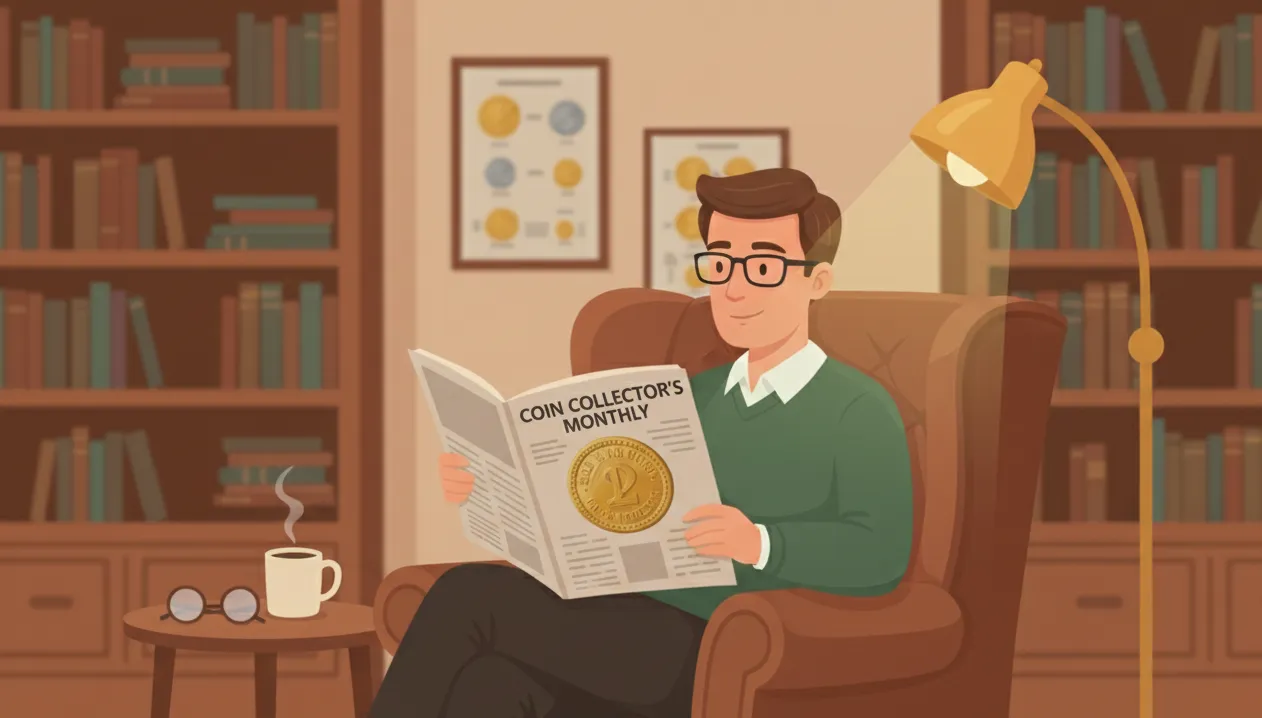
Digital and Paper Sources
Today, coin facts are open both as paper books and in digital form, giving collectors different comforts, which they must think about when building their library.
Paper Catalogs and Magazines
They offer high-quality photos and tables, helping you check coins more correctly against the pictures to find the quality.
Paper books are good for writing notes and often stand as the official source, having the trust of experts.
They quickly become old when it comes to prices, needing a new one every year, and they take up much space, which is their main weakness.
Digital Catalogs and Online Lists
- Digital forms and online fact lists are updated very fast, giving current prices and new finds in real time.
- They have a search tool, allowing you to find the needed coin at once by any setting you choose, saving your time.
- The quality of the pictures can be lower, making it hard to correctly find small flaws or special making points, and asking for extra checking with other sources.
Knowing Special Coin Words
Magazines and catalogs use many special words, which you must know to correctly understand the text, because they are the language of coin experts.
- Obverse / Reverse: The front and back sides of the coin, helping one tell its parts apart
- Edge: The side surface of the coin, which may have writing, a pattern, or be smooth
- Legend: All the writing, placed on the coin’s surface
- Patina: A natural film or cover, forming on the coin’s surface over time, which can change how it looks and what it costs
- Mintage: The total number of coins made in that year or with that look. The smaller the mintage, the more costly the coin usually is
Often, reading coin books, helping the collector remember these special words, makes their skill better for talking with other experts and allows them to understand hard coin descriptions at sales or in articles.
Ideas for Keeping Knowledge Organized
Working with a lot of coin facts requires a good system, helping you quickly find the needed facts.
- Keeping personal cards or a digital fact list for every coin in the collection, where catalog numbers, buy date, price, and fact source are written, helps you quickly find all the needed facts.
- Write notes right inside your catalogs, showing the selling prices from sales or your own notes about the quality of a specific coin.
- Always look at when the catalog or magazine was put out, because this changes how correct the prices and groupings shown in it are.
Using coin magazines and catalogs is not just reading, but a needed part of a collector’s work, making sure they have a deep grasp of every coin in their collection.
These tools, helping to correctly name a coin, check its quality well, and know its market cost, change a hobby into a serious and fun activity.
Often going back to these sources, asking for care and patience, makes your collection worth more and helps you make good choices when you buy or sell.